
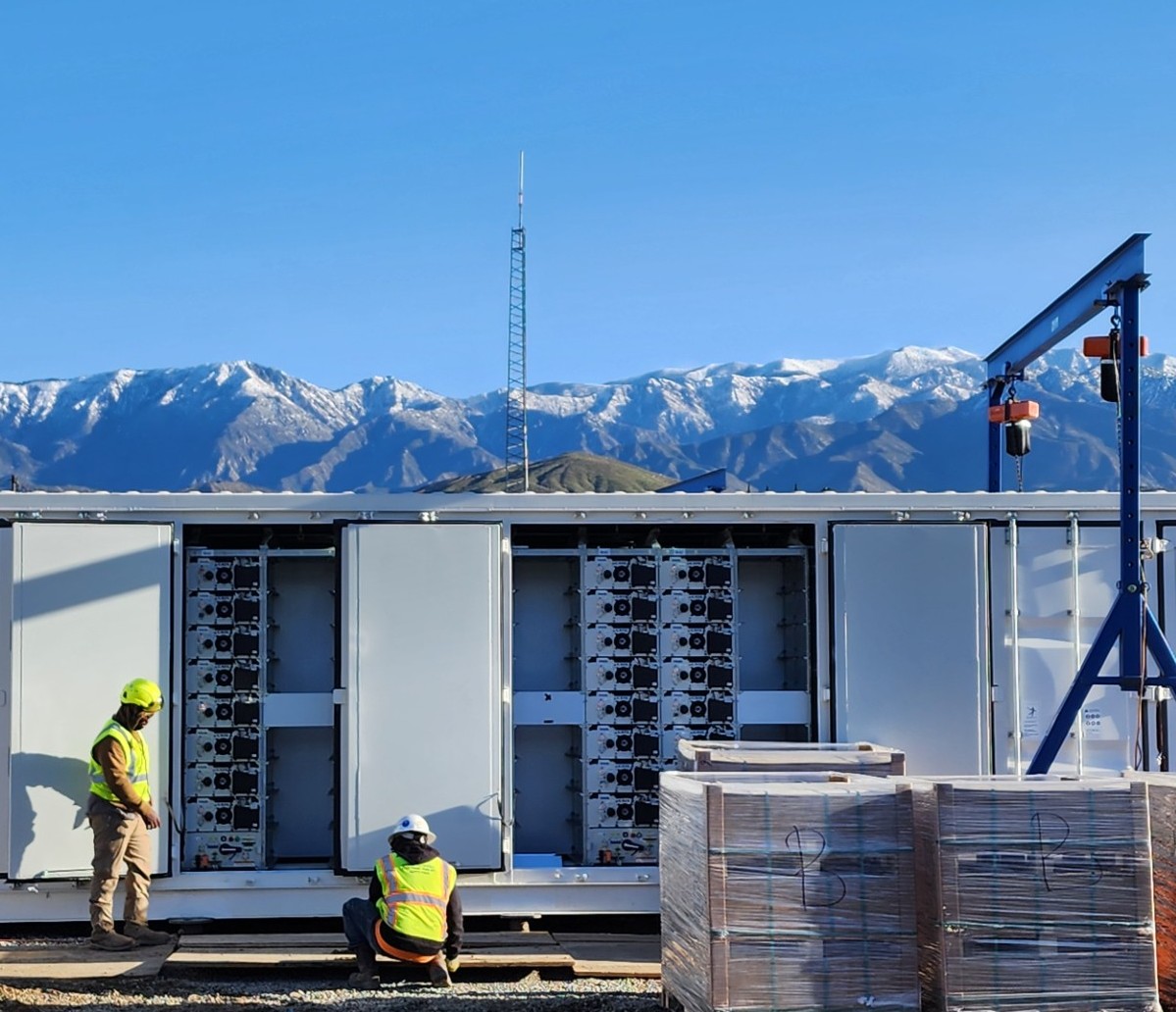
For anyone looking to install battery energy storage systems (BESS) to power their business, there’s some good news. Despite the U.S. imposing a 30% reciprocal tariff on Chinese-made battery systems, the falling cost of these systems over the years means that customers likely won’t feel much of a financial pinch. Even with the tariff, Chinese-manufactured systems remain competitive, allowing consumers to continue benefiting from affordable, reliable storage solutions.
Battery prices have dropped dramatically over the last decade. Since 2010, the cost of lithium-ion batteries has plunged by nearly 90% [1], and since the 1990s, we’ve seen a 97% reduction [2]. This is due to massive scale production, technological advancements, and improvements in manufacturing efficiency. For consumers, this translates to getting more storage capacity for less money, whether you’re looking to store energy from solar panels or simply improve your grid reliability.
The tariff does raise the current price of Chinese systems, but it doesn’t eliminate the savings. The U.S tariff will increase the cost of Chinese systems by about 30%, but according to Energy Storage News, the cost of BESS dropped by 40% from 2023 to 2024, effectively offsetting the tariff increase within just one year [3]. When compared to domestic prices, Chinese systems still offer significant savings. For most customers, it means that even with the tariff, they’re still getting a better deal than purchasing from a U.S. manufacturer.
This price advantage is made possible not just by the tariff gap, but by falling material costs. Lithium prices, which make up a large portion of the cost of these systems, have recently dropped to their lowest levels in years [4]. This reduction further cushions the impact of the tariff, keeping overall prices low.
So, what does this mean for your business? It means that the cost of installing a battery storage system is still very affordable, even with tariffs in place. While U.S. manufacturers are increasing production and aiming to offer more domestic options, it will take time for them to match the pricing and scale of China’s industry.
Takeaway for Consumers
- Tariff Impact? A 30% reciprocal tariff increase on Chinese-made systems won’t eliminate the savings. Even with the tariff, Chinese systems are still cheaper than most domestic options.
- Price Drop: Thanks to a massive fall in battery prices over the past decade, you’re getting a good deal regardless of the tariff.
- Long-term Benefits: As U.S. production increases, prices might become more competitive, but for now, importing from China remains the most cost-effective option.