
Designing Resilient Battery Energy Storage Systems for Extreme Weather
As climate volatility intensifies, energy infrastructure must evolve to meet the challenge. Battery Energy Storage Systems (BESS) are increasingly deployed in regions prone to hurricanes, heatwaves, floods, and wildfires, making resilience not just a feature, but a necessity. When integrated with PV and generators, BESS are the core of resilient microgrids.
At EPC Energy, we’ve engineered our BESS product lines to thrive in the harshest environments, ensuring uninterrupted performance when it matters most.
Engineering for Resilience: What It Takes
Designing a weather-hardened BESS involves more than rugged enclosures. It’s a holistic approach that includes:
- Thermal Management Systems: Advanced cooling and heating mechanisms to maintain optimal battery performance in extreme heat or cold.
- Ingress Protection: Enclosures engineered to resist environmental intrusions such as moisture and particulate matter, even under extreme conditions.
- Structural Analysis: Structural integrity of the BESS enclosure, anchoring, and pad to withstand strong winds, earthquakes, and other extreme weather events.
- Fire Suppression Systems: Integrated safety features to mitigate fire risk in wildfire-prone regions.
- Remote Monitoring & Control: Real-time diagnostics and alerts to ensure proactive maintenance and system health.
EPC Energy’s fully integrated containerized BESS solutions are UL-certified, NFPA-certified, and NEMA 3R rated systems. These certifications demonstrate our commitment to developing BESS products that are ready to face the elements of even the harshest project sites.
Real-World Deployments: Resilience in Action
Our systems have already proven their durability in some of the world’s most challenging climates:
- Southwestern United States: Proven performance in desert climates where ambient temperatures can exceed 120 °F, supported by advanced thermal regulation and passive cooling strategies.
- Yukon Territory, Canada: Operating reliably in sub-zero conditions demonstrates our integrated BESS products’ ability to perform at low temperature extremes.
- Caribbean Islands: Deployed in coastal environments with sealed enclosures engineered for corrosion resistance and moisture exclusion.
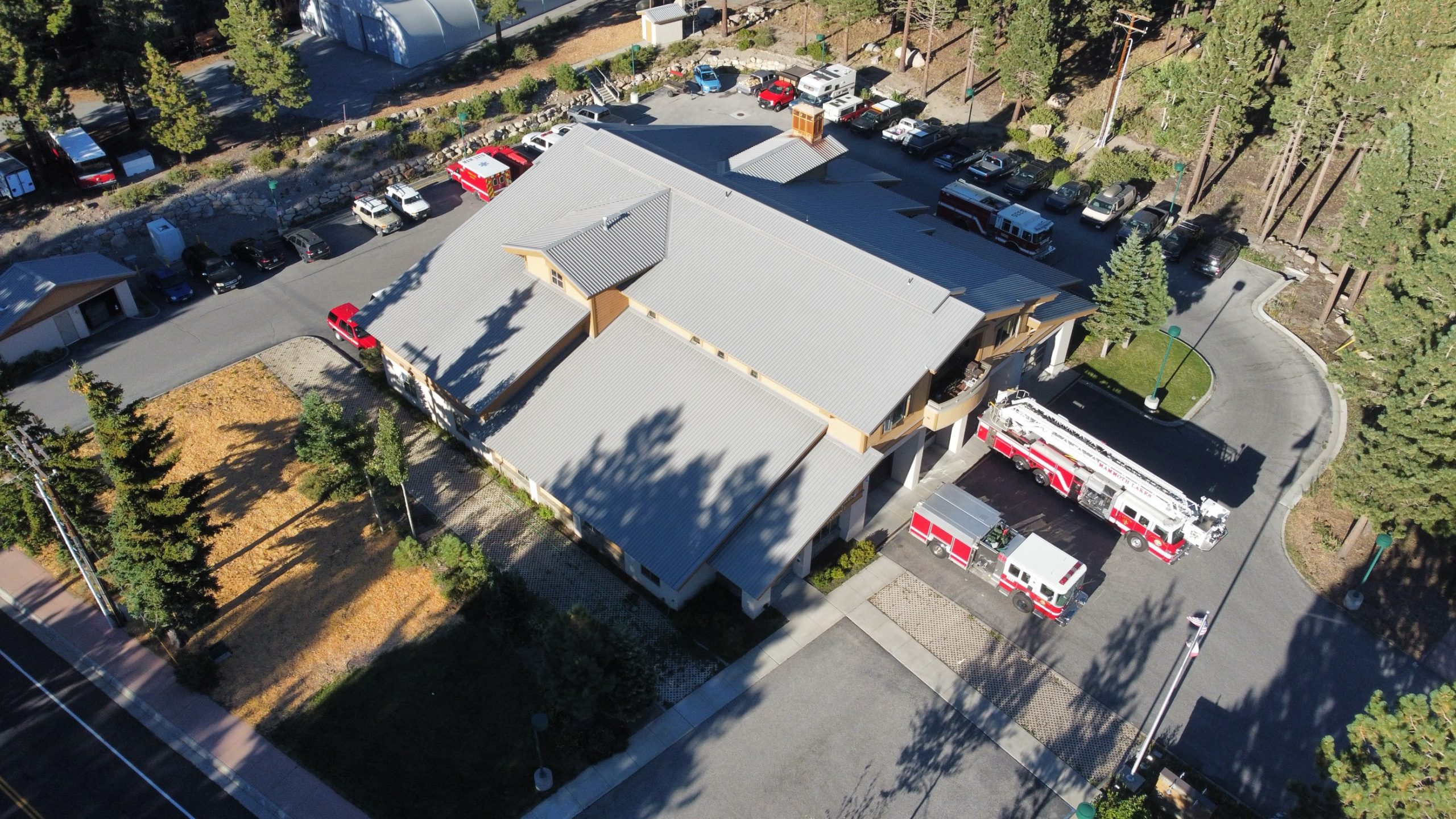
- Remote Fire Department: Designed to provide backup for critical fire department communication and operation systems, our BESS paired with our microgrid controller benefits the community during grid outages.
Smart Design Meets Smart Software
Hardware is only half the story. Our BESS platforms are paired with intelligent software that:
- Automatically adjusts charge/discharge cycles to preserve battery health.
- Easily integrates with different BESS, PV systems, and generators.
- Enables microgrid formation when paired with our microgrid controller for energy resilience in areas with grid instability.
The EPC Energy suite, aiMacs™, comprising energy management systems (EMS) and site controllers, represents a visionary approach to optimizing distributed energy resources. Its scalability ranges from single asset control to intricate microgrid environments with our microgrid controller. With meticulously designed layers of redundancy, it ensures unrivaled uptime and dependability. Moreover, it boasts pre-loaded, intelligent dispatching algorithms tailored for diverse applications and use cases, paving the path towards a highly efficient energy management future.
Looking Ahead: Building for Tomorrow’s Climate
Resilience isn’t a checkbox, it’s a mindset. As EPC Energy expands into new markets and faces increasingly unpredictable weather patterns, our commitment to designing robust, adaptive BESS solutions remains unwavering.
Whether you’re powering a remote microgrid or stabilizing a utility-scale installation, EPC Energy’s battery energy storage systems are built to endure.